
The animal kingdom is teeming with fascinating, look-alike animals found among big cats, reptiles, birds, mammals, insects, and marine creatures. Some of these animals—such as the leopard and the jaguar—are closely related to one another, while others—like the flying squirrel and the sugar glider—bear a striking resemblance despite having no close biological connection. Although these look alike animals, possesses unique characteristics that distinguish it from the rest. This article explores the similarities, differences, and surprising facts behind these remarkable, look-alike animals.
Look Alike Animals Carved From the Same Evolutionary Path
We are going to discuss animals that bear a resemblance to one another—specifically, groups of animals that share a common ancestral lineage. When these animals possess a similar genetic makeup, they exhibit shared characteristics such as dietary habits, reproductive cycles, and physical structures—including skin composition and skeletal arrangement. Any differences between them arise from their habitats or family lines. Fundamentally, however, they remain connected through a shared evolutionary path.
The Wild’s Coastal Twins – Seal Vs. Sea Lions
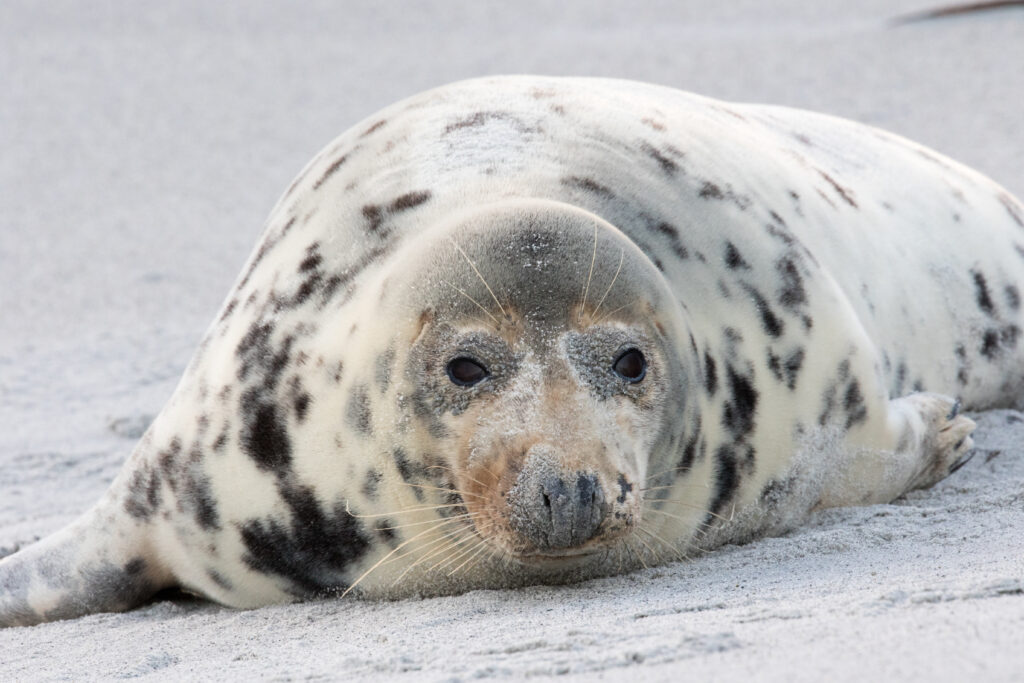
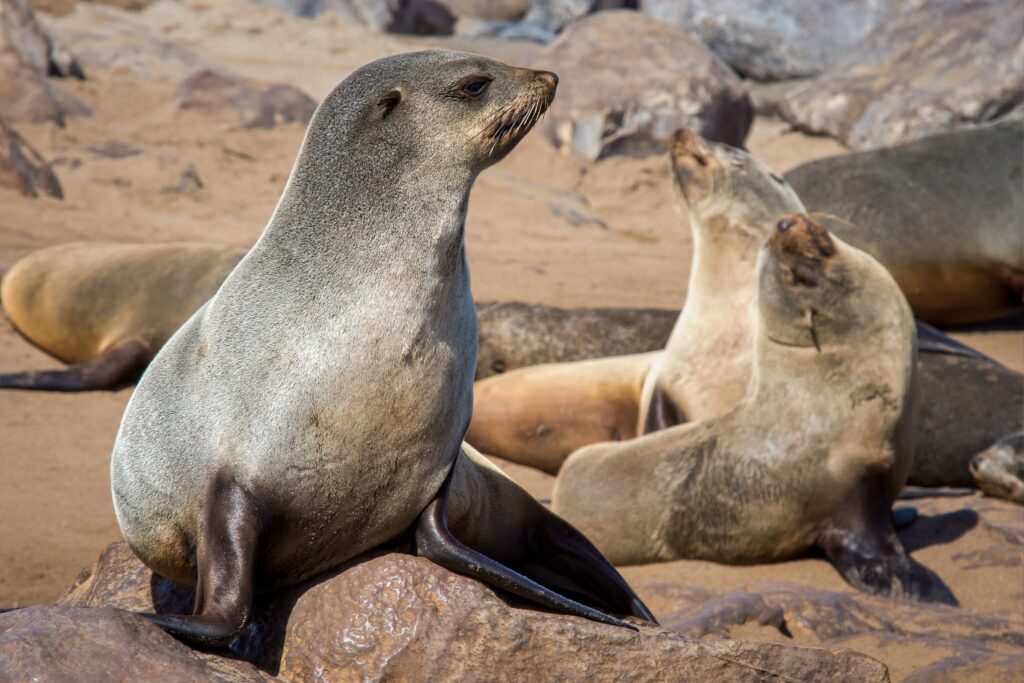
When discussing seals and sea lions, it is important to remember that they belong to a group known as pinnipeds. This group is distinguished by specific characteristics, such as being carnivorous, possessing fin-like limbs, being semi-aquatic, and being predominantly marine. They are identified as pinnipeds—a term derived from Latin meaning ‘fins’—which translates to ‘animals with flipper-like feet.’ Furthermore, these pinnipeds are sub-classified based on the presence or absence of an external ear, also known as the pinna.
The Hidden Differences of the Marine Mammals
“Seal” is a general term used for earless pinnipeds (specifically, those lacking a pinna), and it encompasses various types of seals such as the Bearded Seal, Hooded Seal, Harp Seal, Leopard Seal, and others. Sea lions, on the other hand, belong to the group of pinnipeds that possess external ears.
We can identify several differences between them through common features. These include their ears, flippers, fur, movement, and habitats.

Seals lack external ear flaps, possessing only a small opening covered by skin; whereas, sea lions possess external ear flaps that are clearly visible

Seals are unable to walk on land; instead, they move by merely inching forward on their bellies. In contrast, sea lions possess flexible pelvic bones, which enable their hind(back) flippers to assist them in walking or running on land.

These flippers also aid them in swimming within the water. For instance, seals have relatively small fore-flippers equipped with webbed claws, which function much like the fins of a fish.

Sea lions possess large and elongated flippers. These flippers help them move smoothly through water, making them appear as if they are “flying” underwater.
And finally, where do they live?
Seals commonly inhabit cold regions such as the Arctic and Antarctic waters.
Sea lions, in contrast, inhabit warmer coastal waters around the world.
Nature’s Marine Mirror Images
Apart from belonging to the same group—the Pinnipeds—they share numerous other similarities, which is precisely why we often refer to them as “twins.”
To begin with, their streamlined bodies facilitate movement both in the water and on land. Both marine animals survive in cold ocean waters. A thick layer of fat(blubber) beneath their skin helps keep them warm.
Both of these pinnipeds are carnivores that subsist on small marine organisms; their exceptional swimming prowess aids them significantly in this regard.
Their vision is adapted for seeing in the dark because of a specialized membrane behind their eyes called the “tapetum lucidum.” This adaptation greatly improves their hunting ability at night.
Both of these marine mammals come ashore to rest, breed, and rear their young. While seals tend to be solitary creatures, they gather together primarily for breeding and raising their offspring. While sea lions are social animals that invariably form groups.
Look-Alike Wild Felines – Leopard Vs. Jaguar
Leopards and jaguars are close relatives, as they both belong to the same family and genus. Their similarities include their lifestyles, hunting skills, and physical pattern. Although their physical structures appear very similar, they differ from one another in terms of their habitats, anatomy, and body composition.
Separated by Traits
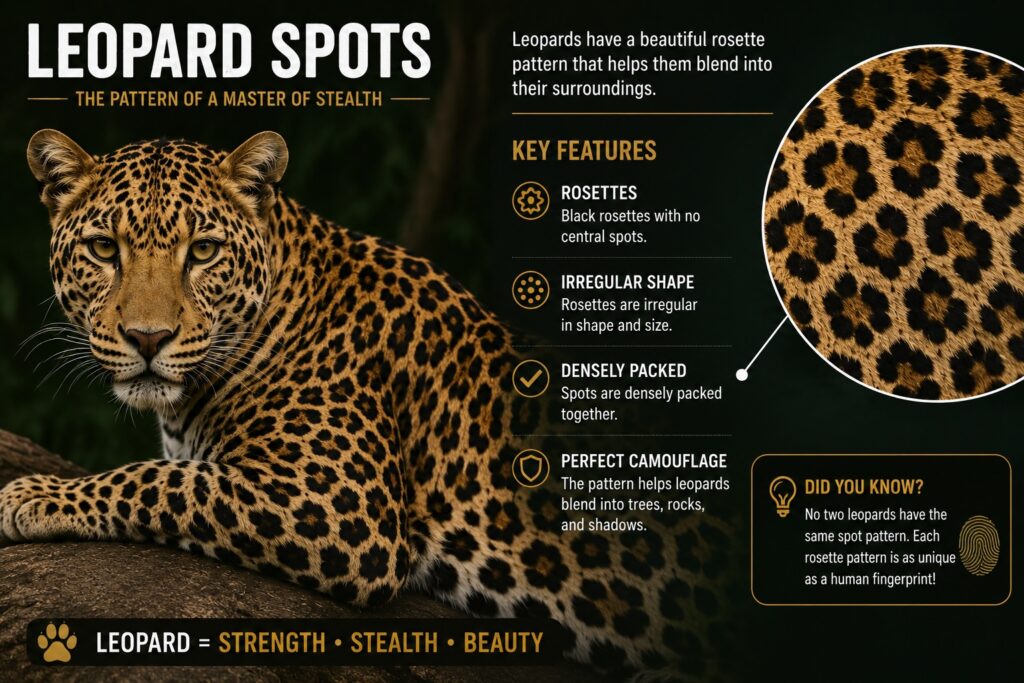
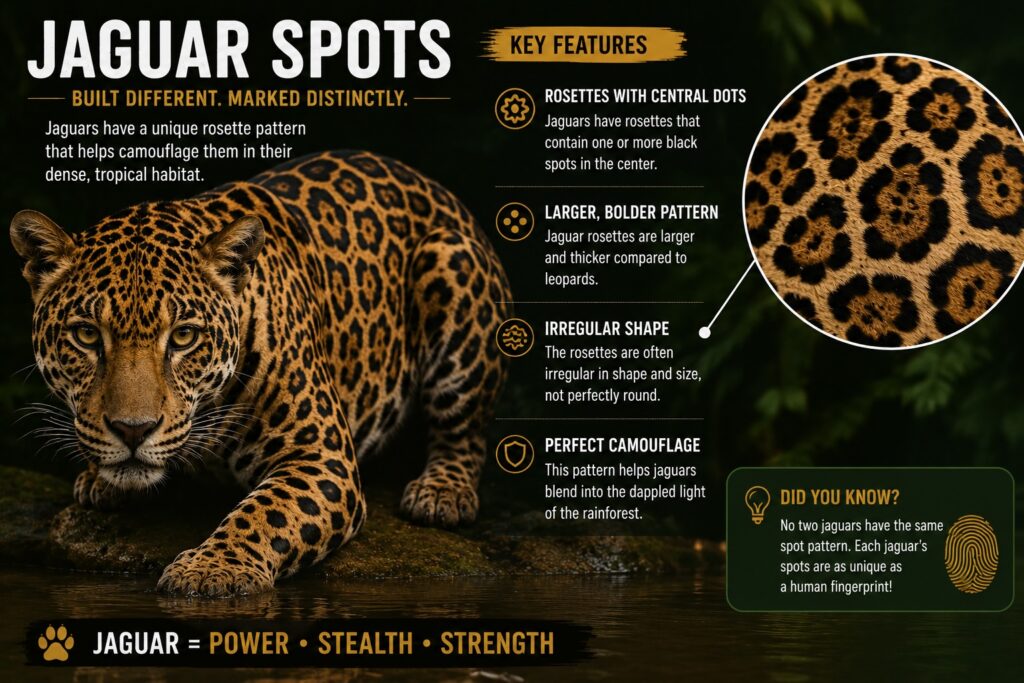
Both Leopard and Jaguar have rosette-shaped black spots on their coats. However, leopard rosettes are hollow, while jaguar rosettes contain spots in the center. Jaguars are significantly heavier and more powerful than leopards; their average weight ranges from 150 to 200 pounds, whereas a leopard weighs approximately 69 pounds. These differences are linked to their habitats and hunting styles. Leopards are skilled climbers that live in grasslands and savannas. On other hand, jaguars inhabit tropical rainforests and often hunt near or in water.
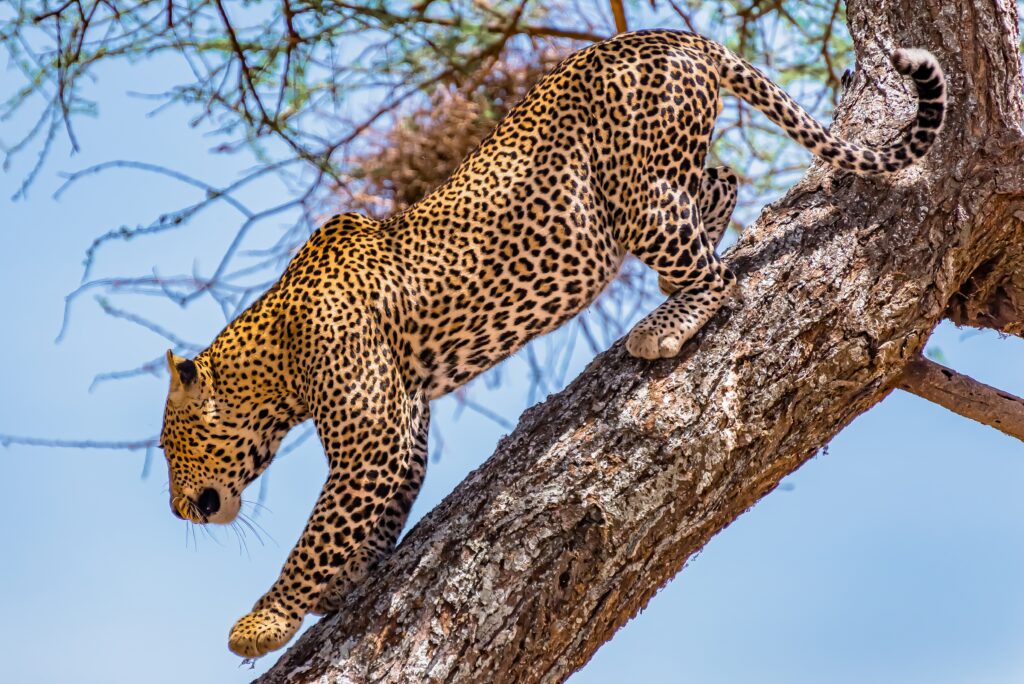
An African leopard climbing coming down the tree during daytime
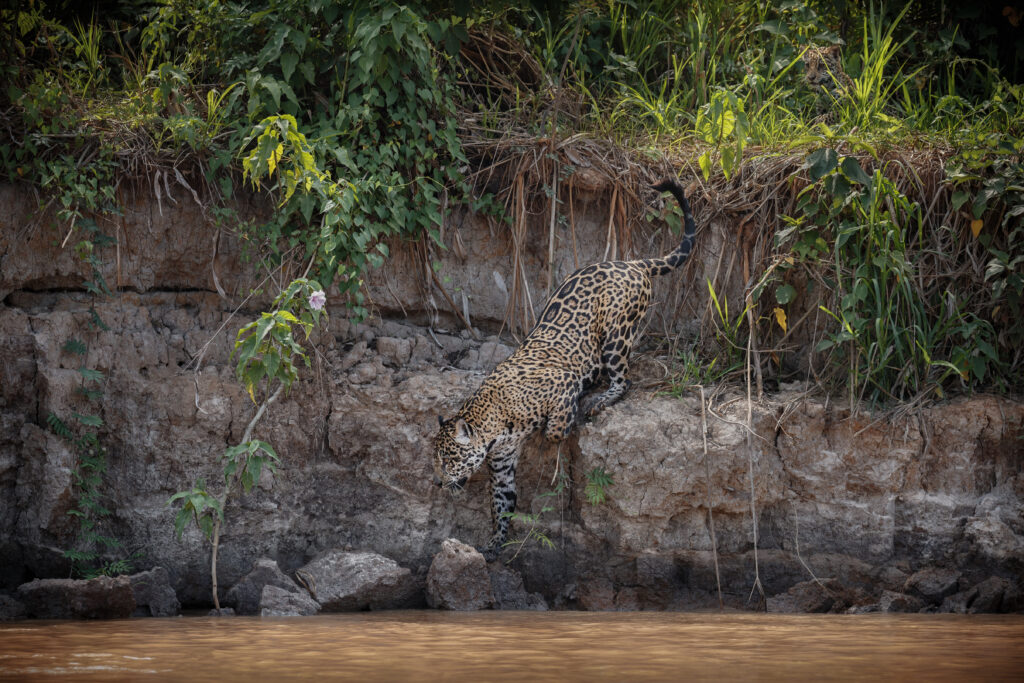
An American Jaguar lives near water bodies.
Nature’s Shared Design
These large cats belong to the same family, ‘Felidae,’ and share a single genus, ‘Panthera.’ Beyond their common ancestry, they possess numerous other shared characteristics—such as leading solitary lives and establishing territories to minimize competition. Their hunting methods are also similar. Both rely on stealth and strength, supported by sharp teeth and powerful jaws.
Reptiles That Look Almost Identical – Crocodile Vs. Alligator
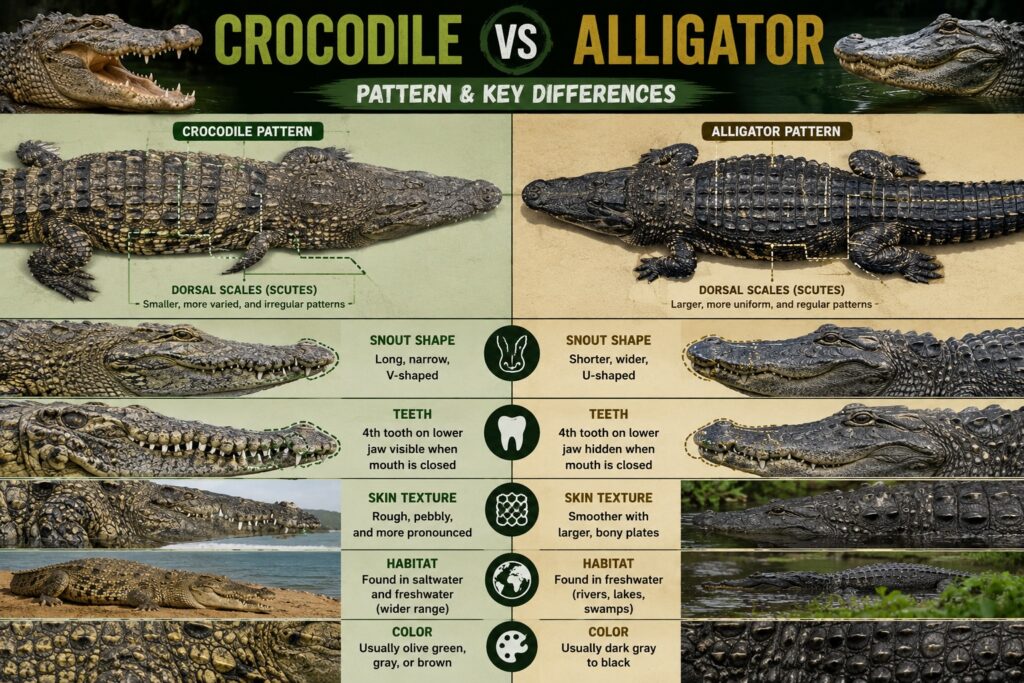
Reptiles and the order “Crocodilia” share a prehistoric lineage that dates back over 200 million years. At first glance, crocodiles and alligators appear nearly identical; moreover, given that both are massive creatures with similar physical structures, they are often easily confused with one another. However, upon closer examination, distinct differences in their physical characteristics and habitats clearly distinguish them from one another.
Beyond the Similar Appearance
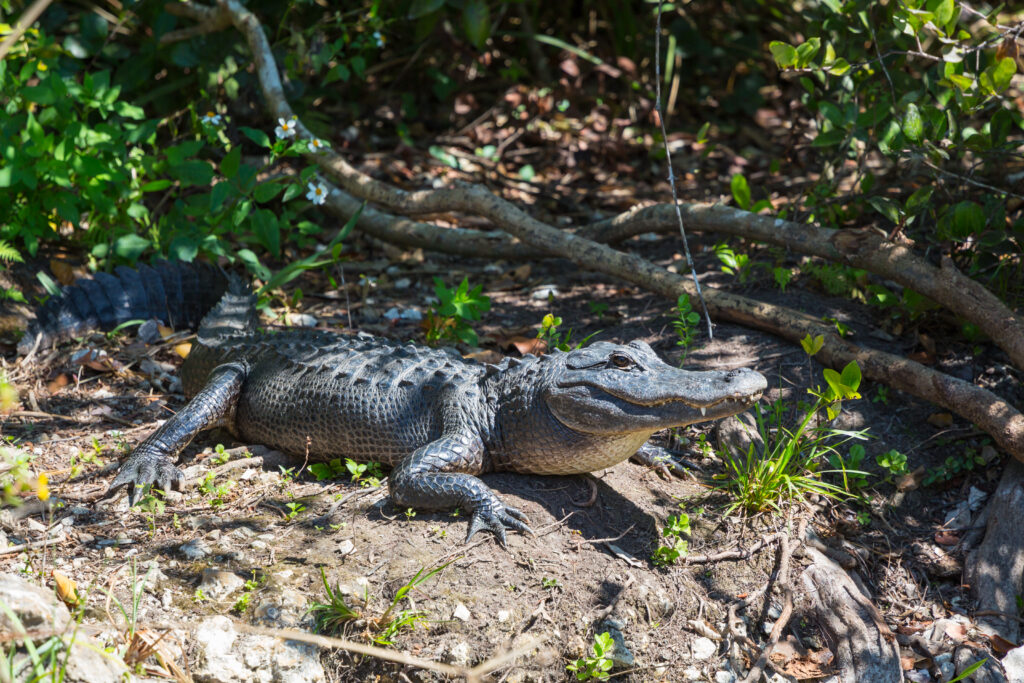
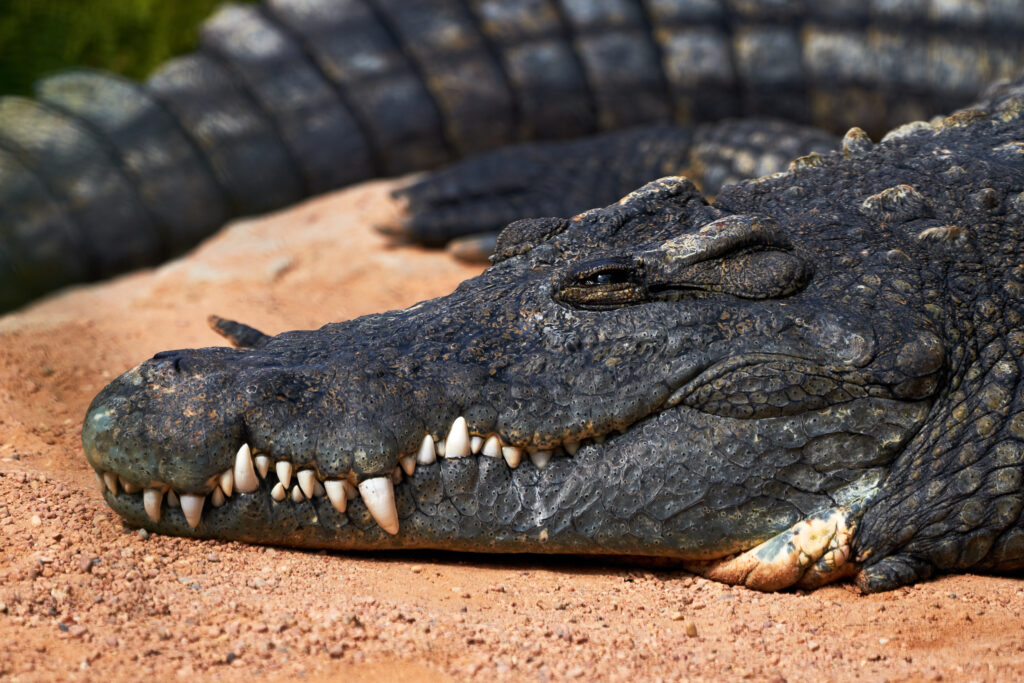
Although crocodiles and alligators may appear similar in appearance, they belong to different families within the reptile class and exhibit several distinctive differences. Crocodiles typically have a lighter coloration, and their snouts are narrow and V-shaped; in contrast, alligators are darker in color, and their snouts are broad and U-shaped. A crocodile’s teeth remain visible even when its mouth is closed, whereas an alligator’s teeth are, for the most part, concealed inside.
They live in different habitats like crocodiles are capable of inhabiting both fresh and saltwater environments, whereas alligators primarily prefer freshwater habitats.
Their temperaments also differ; for instance, crocodiles are generally more aggressive than alligators. Several factors influence and regulate this aggressive nature—read more here—
Almost Identical Features
Although Crocodile and Alligator resemble each other, they actually share only a few similarities.
Both are reptiles and share common characteristics, such as the placement of their eyes and a robust jaw structure designed to aid in hunting. A large, powerful tail helps them propel themselves rapidly through the water.
Both species also possess the remarkable ability to regrow their teeth an indefinite number of times, a trait that enables them to continue hunting throughout their entire lives. Finally, perhaps the most notable characteristic shared by the two is that if their prey is large, these animals easily tear it apart with their sharp teeth; however, if the prey is small, they swallow it whole.
Nature’s Twin Jumpers – Rabbit Vs. Hare
When thinking of rabbits or hares, the image that typically comes to mind is that of a small, soft-furred animal hopping about. On the surface, it might appear that these are merely two different names for the same creature; however, the reality is entirely different.
Although both Rabbit and Hare belong to the same family, Leporidae. They differ in size, speed, behavior, habitat, and the way they give birth to their young.
Not the Same Hopper
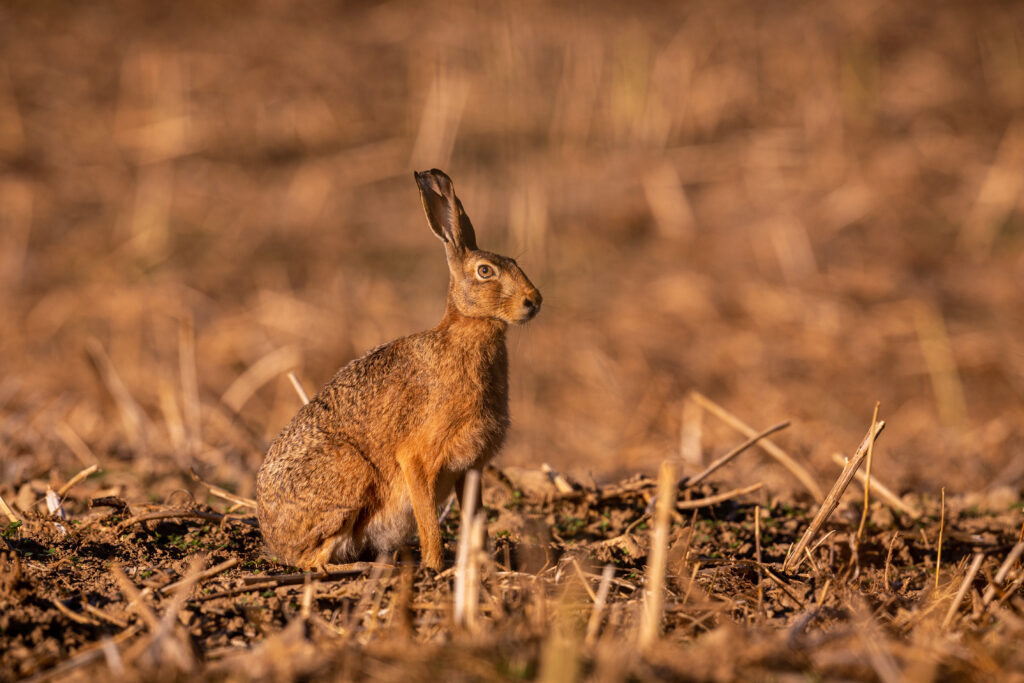
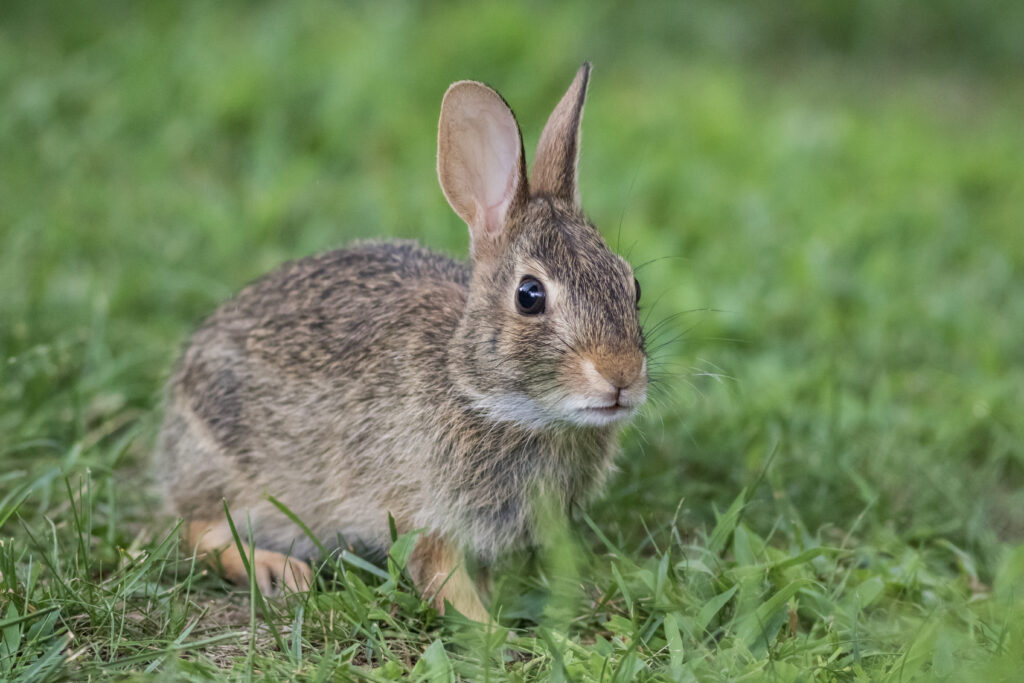
These hopping mammals differ in size, behavior, habitat, and appearance. Rabbits are smaller, possess shorter ears, and have gray-brown fur; whereas hares are larger, feature long ears with black tips, and bear distinctive black markings on their bodies. A colony of rabbit resides in underground burrows, where they hide from predators; hares, conversely, are largely solitary creatures that inhabit open grasslands and escape danger by running at high speeds.
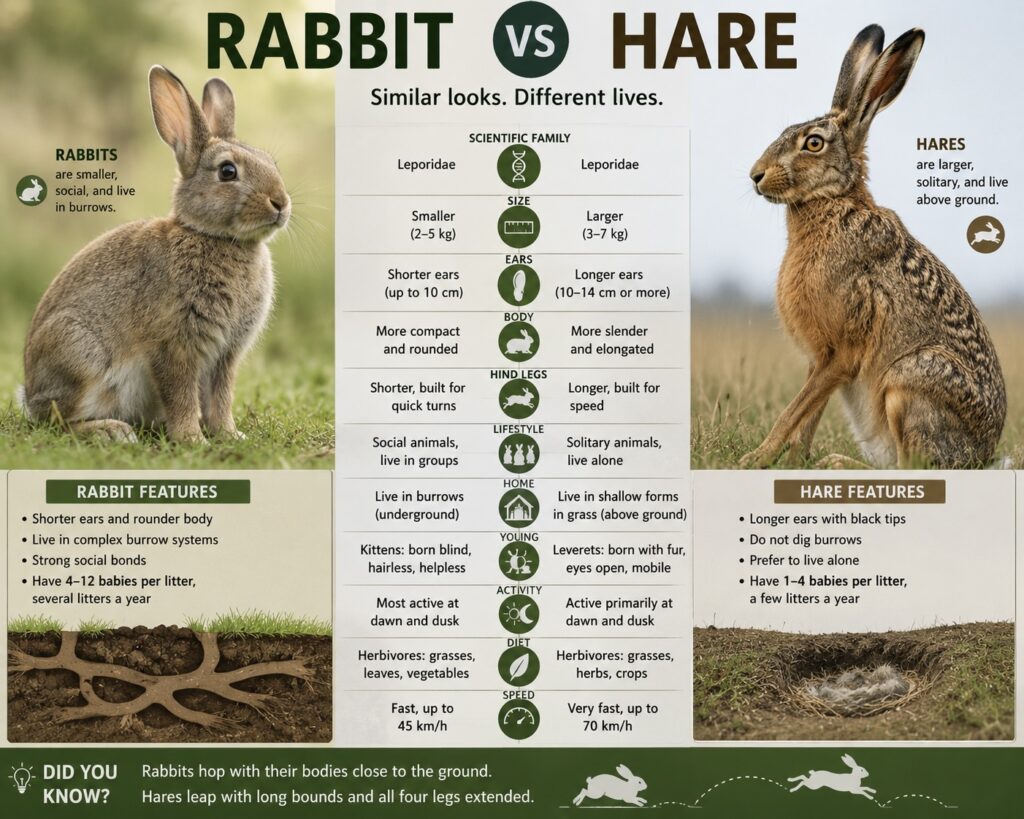
There is also a slight difference in their diets, with hares consuming a wider variety of plant life. The most significant difference appears in their offspring. Baby rabbits are born blind and hairless thus dependent on adults. While, baby hares are born fully furred, with open eyes, and can move around soon after birth.
Twins of the Grasslands
There are certain subtle similarities in the physical structure as well as the reproductive characteristics of these leaping prey animals. To begin with, both possess a similar coloration, and their tails are short and rounded. Both also have cleft lips—a condition referred to, with slight variations, as a “harelip.”
Their hind legs are long and strong, enabling them to leap instantly upon sensing a threat from predators.
Both species exhibit a high reproductive rate, giving birth to four to eight offspring annually. Farmers and horticulturists consider both animals to be pests, as they are capable of destroying crops and trees.
Look Alike Animals Raised by Different Evolutionary Forces
We have briefly touched upon the concept of how animals that appear similar can share a common lineage; however, we will now explore examples of species whose evolutionary paths bear no resemblance to one another. Most importantly, even though their histories differ, they have come to mirror one another due to the influence of shared challenges regarding survival. Living in similar habitats or adopting similar dietary habits leads these animals to develop outwardly similar characteristics, yet they possess no actual genetic relationship. This fascinating phenomenon is known as “Parallel or Convergent Evolution”.
Read more about Convergent Evolution – : Look-Alike Animals Mystery : The Greatest DoppelgängersDrifting Through Nature’s Parallel Designs – Flying Squirrel Vs. Sugar Gliders.
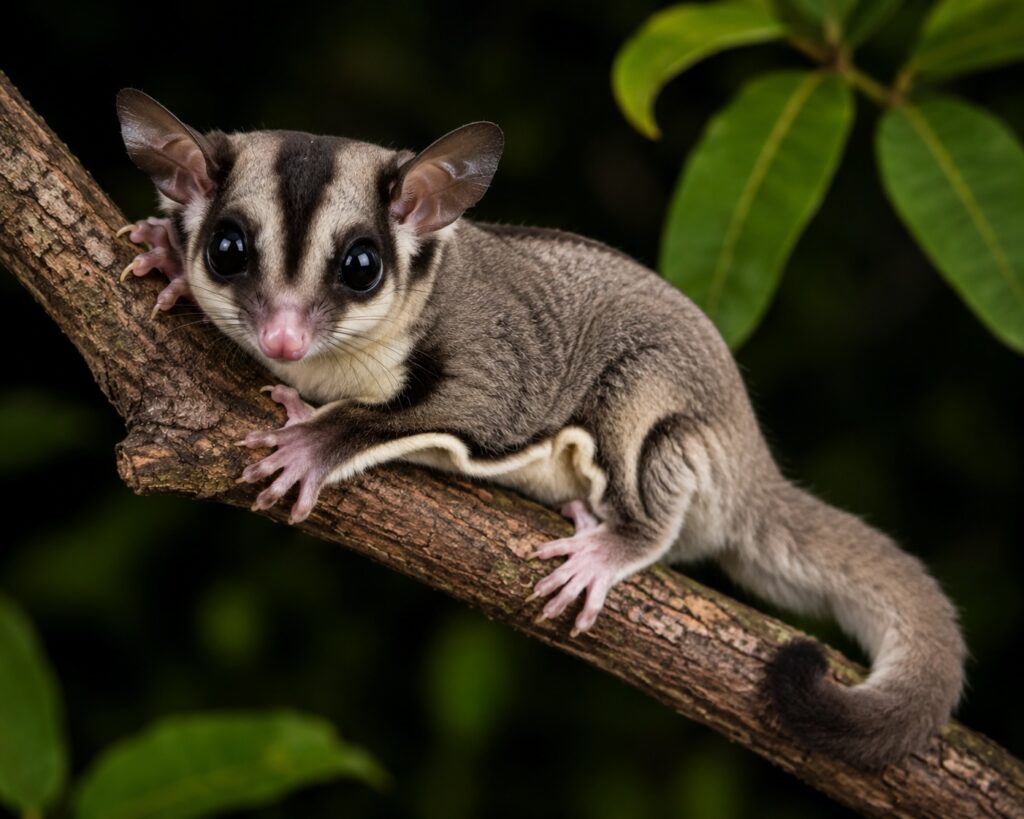
When we compare Flying Squirrel and Sugar Glider, we notice many similarities despite their unrelated origins. Without careful observation, people often confuse them with one another.
Both are mammals; however, one is a marsupial (pouch-bearing), while the other is a placental mammal.
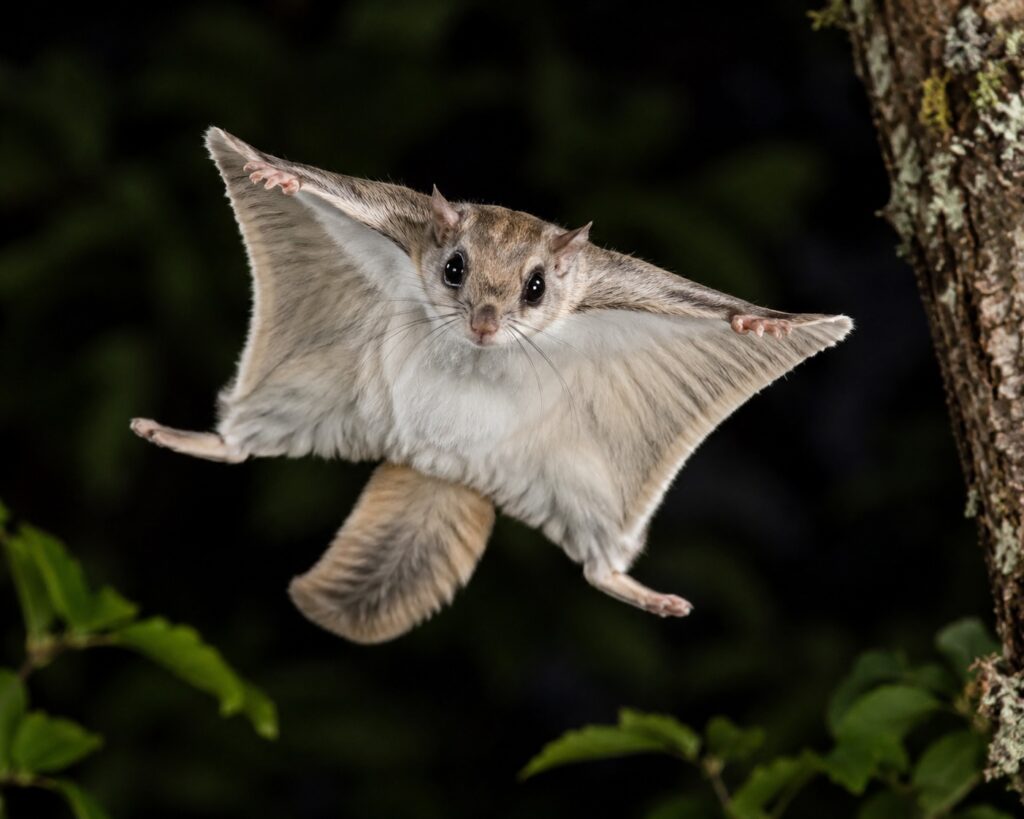
Flying Squirrel
Sugar Gliders.
Note – Placental mammals and marsupials are the two major groups of mammals, distinguished by their methods of giving birth and rearing their young.
“Marsupial Mammals“ – Animals in this group give birth to underdeveloped offspring within a pouch, where the young complete their development. Examples: Kangaroos and Koalas.
“Placental Mammals“ – These animals possess a uterus, where the offspring are connected to the mother via a placenta. The placenta provides them with nourishment until they are sufficiently developed, after which they are born. Examples: Elephants, humans, deer, etc.
Two Gliders, Two Different Worlds
These unrelated mammals are vastly different from one another. The flying squirrel is a true rodent, whereas the sugar glider is a marsupial. Flying squirrels are larger in size, herbivorous, and lack prominent facial stripes. In contrast, sugar gliders are smaller, omnivorous, and feature distinct dark stripes extending from their foreheads to their noses.
The most fascinating aspect concerns their vocalizations; sugar gliders are highly vocal and produce a wide variety of sounds, ranging from crab-like chirps to barking. Conversely, flying squirrels produce fewer sounds—such as chirps or whistles—and do so only rarely.
Bound by Similar Survival Paths
People often group these small mammals together because of their gliding habits.
Gliding is not true flight; rather, it involves extending their gliding membranes to increase their surface area in the air, thereby enabling them to travel from one location to another. Both of these animals possess a specialized membrane known as the “Patagium“, which they utilize for gliding.
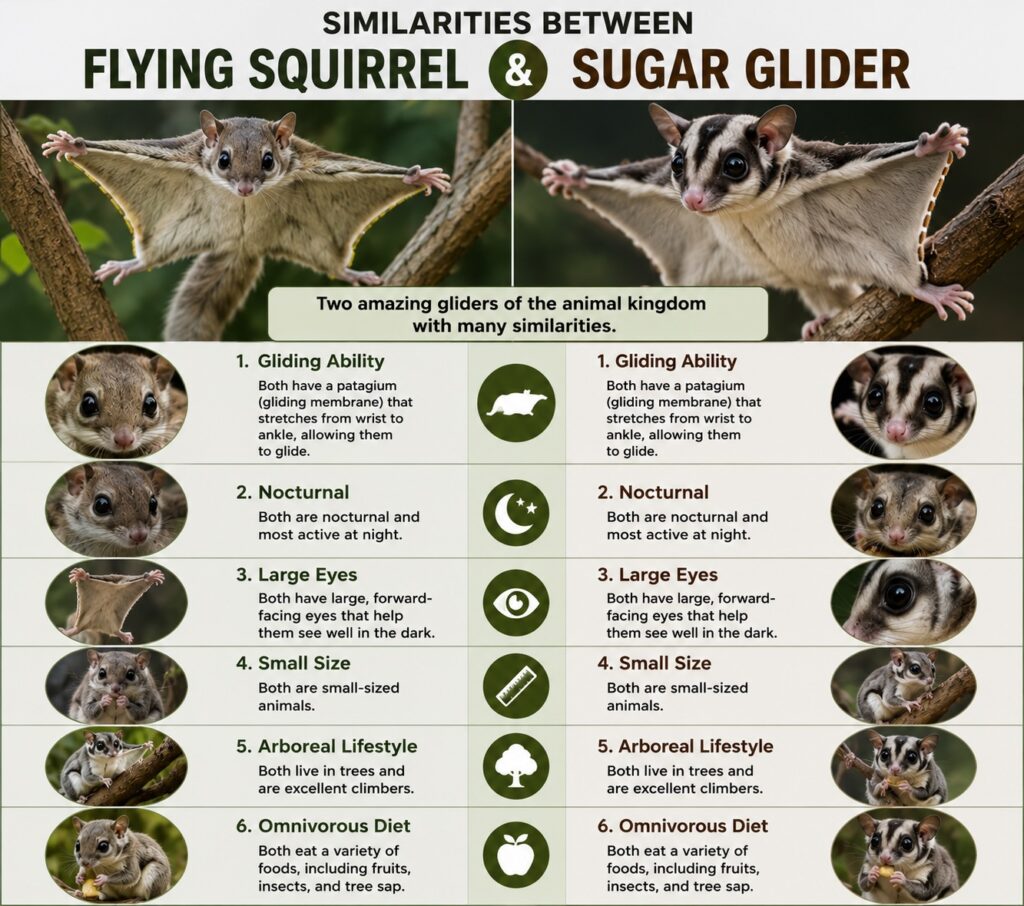
Both species are nocturnal and possess large eyes, which assist them in seeing clearly in the dark. These small mammals are excellent climbers, a trait that supports their arboreal lifestyle.
In Nature, Resemblance Is No Coincidence
From forests to oceans, nature constantly astonishes us with animals that—despite appearing virtually identical—lead entirely different lives. These extraordinary ‘look alike animals’ unveil the beauty inherent in evolution, adaptation, and survival—proving that, in the wild, outward appearance can often be deceptive.
Leave a Reply